
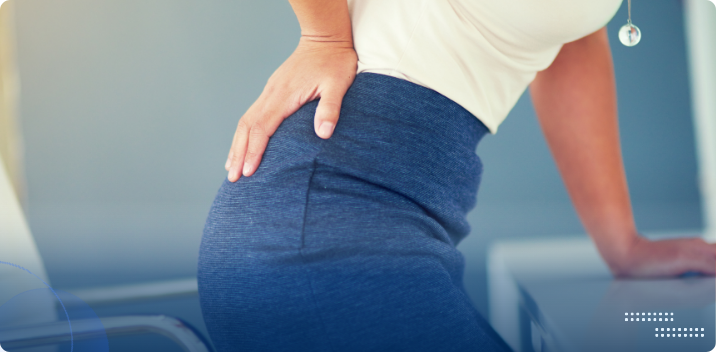
Hip pain can show up as a dull ache, sharp twinge, or stiffness that makes simple movements feel risky. You might notice it when you climb stairs, get in and out of a car, bend to tie your shoes, or wake up after a restless night with deep soreness that runs from your lower back through your thigh.
Many people hope it will fade on its own, only to realize weeks later that they are still searching for lasting hip pain relief while trying to keep up with work, family, and daily tasks. This guide explains what is happening in your hip, why symptoms can become long-lasting, and what you can do to feel safer and steadier again.
What Hip Pain Really Means for Your Body
Hip pain is not just about getting older or overdoing it. The hip is a busy place where the thighbone meets the pelvis, held together by ligaments, cushioned by cartilage, and moved by muscles and tendons. When any part of that system is stressed, irritated, or overloaded, pain is often the first signal.
Healthy hips allow smooth, pain-free movement. Cartilage acts like a cushion between the bones, helping absorb shock while you walk, bend, or lift. Synovial fluid lubricates the joint so surfaces glide easily. When cartilage wears down, when ligaments are strained, or when inflammation builds up inside the hip, you might feel more than a simple ache.
Symptoms That Suggest Your Hip Needs More Attention
Hip symptoms can look different from person to person. You might experience:
-
Pain or stiffness with movement, especially in the morning or after sitting
-
Swelling, warmth, or tenderness around the hip or groin
-
A grinding, clicking, or popping sensation
-
Weakness or instability that makes you worry about falling
-
Limited range of motion that affects daily tasks
-
Pain that radiates to your lower back, buttocks, or thigh
Short episodes that settle within a few days are common. When symptoms keep returning or start to limit sleep, work, or activities you enjoy, it is worth taking a closer look.
When cartilage wears down, when ligaments are strained, or when inflammation builds up inside the hip, pain is often the first signal.

Why Hip Pain Becomes Chronic Instead of Fading
Many people can remember a specific moment when symptoms started, such as a sports injury, a fall, or lifting something awkward. Others cannot point to one event at all. In both cases, small stresses can add up over time and keep the hip in a guarded state.
Daily life puts a quiet strain on your hips. Common patterns include long periods of sitting or standing, repetitive movements at work, carrying extra weight that adds load to your hips, poor posture that changes hip alignment, and skipping warm-ups or recovery after exercise. These habits can train the muscles around your hip to work overtime, creating a cycle of stiffness, pain, and more guarding.
Sometimes deeper structures are part of the problem. Worn cartilage can no longer cushion the bones properly. Ligaments can become loose or irritated. Inflammation can build up inside the hip joint and cause swelling and warmth. These changes do not always mean you need surgery. They do mean that your hip may need more thoughtful support through calming irritated tissues, improving how the joint moves, and changing the way your body handles daily loads.
[Schedule Your Visit]
Steps That Help Your Hip Feel Safer
Hip symptoms often feel less overwhelming once you have a few clear steps to follow. Small changes can reduce strain and help your body respond better.
Simple Changes You Can Start at Home
You do not have to reinvent your whole routine in one day. A few simple actions can make your hip feel more supported:
-
Take short movement breaks every 30 to 60 minutes to walk, stretch gently, and change position
-
Use ice after activity to calm swelling and heat before movement to ease stiffness
-
Choose low-impact activities like walking, swimming, or cycling instead of high-impact exercise
-
Maintain a healthy weight to reduce load on your hips
-
Wear supportive shoes that cushion your feet and improve alignment
-
Practice gentle range-of-motion exercises to keep your hip flexible
-
Sleep on your side with a pillow between your knees to maintain alignment
If any motion causes sharp pain or swelling, back off and try a smaller range or a slower pace. The goal is to keep gentle motion, not to force through strong discomfort.
How Integra Health Helps Build a Plan
When home changes are not enough, a guided plan can help you feel more confident. At Integra Health in New York, care for hip symptoms starts with listening to your story and watching how your body moves in real life. Your provider looks at strength, flexibility, alignment, and the tasks that load your hip during a normal week.
Your plan may include chiropractic treatment to improve hip motion and ease restrictions that keep the area stiff. Physical therapy can help rebuild strength, coordination, and endurance so your hip feels more stable throughout the day. Some people benefit from soft tissue therapy to release tight muscles that pull on the hip, especially in the early stages.
For certain patterns of hip pain, spinal adjustments may be considered to improve overall alignment and reduce compensatory stress. When foot and ankle alignment affects how you walk, custom orthotics can help improve posture and reduce stress on the hips and spine. This kind of layered approach focuses on what your body can handle right now and how to move you toward your goals at a steady pace.
Common Causes of Hip Pain
Hip pain can develop from many sources. Arthritis gradually wears down the cartilage that cushions the hip joint. Bursitis causes inflammation in the fluid-filled sacs that cushion the hip. Tendonitis affects the tendons connecting muscles to bone. Hip flexor strain results from overstretching the muscles that lift your leg. Sciatica can cause pain that radiates from your lower back through your hip and down your leg. Poor posture and alignment problems can create uneven stress on the hip joint over time.

Final Thoughts on Hip Pain Relief That Lasts
Hip symptoms are common, but they do not have to dictate how you work, move, or rest. Understanding how your hip is built, how daily habits affect it, and which signals mean pay attention can make your next steps feel more clear. Small changes at home, combined with a thoughtful plan, often lead to less pain, smoother motion, and more trust in your body.
If hip pain has become part of your day for longer than you would like and you are searching for relief that respects your limits, reach out to Integra Health in New York to schedule an appointment and explore a plan that matches your body, your goals, and your life.
Ready to take the next step?
Talk with the Integra Health team about a Hip Pain Care plan built around your goals — in Hawthorne, NY.