Services
Chiropractic CareSpinal DecompressionDeep Tissue LaserShockwave TherapyPRP TreatmentsNeuropathy TreatmentSports ChiropractorMassage TherapyNutrition CoachingPediatric CarePre & Postnatal CareAll ServicesConditions
Back PainNeck PainSciaticaShoulder InjuryKnee PainHip PainPlantar FasciitisAuto Accident InjuryWhiplashAreas Served
HawthorneMount PleasantWhite PlainsMount KiscoArmonkPleasantvilleChappaquaBriarcliff ManorTarrytownElmsfordValhallaThornwood


Integra Health in Hawthorne specializes in treating plantar fasciitis without relying on medications, injections, or invasive procedures. Our multi-modality approach combines sports injury rehab, shockwave therapy, and deep tissue laser therapy to address the root cause of your heel pain rather than temporarily masking symptoms. We focus on restoring proper biomechanics, reducing inflammation, and helping your body heal naturally so you can return to hiking the Bronx River Trail or standing through your workday without wincing. If you want a neutral second source, MedlinePlus lays out the causes of heel pain.
Every treatment plan includes personalized education about your specific condition, movement patterns that may be contributing to your pain, and strategies to prevent recurrence. Ready to walk pain-free again? Schedule your comprehensive plantar fasciitis evaluation today.
Schedule an AppointmentUnderstanding Plantar Fasciitis
Plantar fasciitis is one of the most common causes of heel pain in adults. The condition develops when the thick band of tissue connecting your heel bone to your toes becomes inflamed and damaged from repetitive stress. While many people assume heel pain is just part of aging or an inevitable consequence of being on your feet all day, plantar fasciitis is actually a biomechanical problem with structural and functional causes.
The plantar fascia acts as a shock-absorbing bowstring for your foot arch. When tension on this bowstring becomes excessive, small tears develop in the fascia, triggering inflammation and the characteristic sharp, stabbing pain. Most people experience the worst pain after periods of inactivity because the fascia tightens overnight and then tears slightly when you take those first steps.
Traditional approaches often focus solely on symptom management through arch supports or anti-inflammatory medications, which fail to address the underlying biomechanical dysfunction causing the problem. Without correcting faulty movement patterns, improper foot mechanics, and compensatory issues in your ankles, knees, and hips, you're stuck in a cycle of temporary relief followed by recurring pain. Contact Integra Health to find out whether our targeted approach is a good fit for your heel pain.
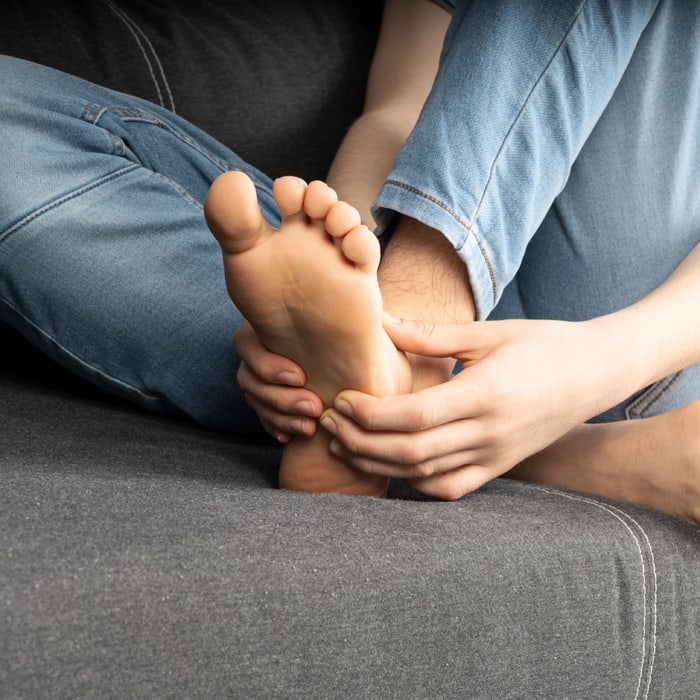
Common Symptoms of Plantar Fasciitis
Symptoms can vary in type and severity. Some of the symptoms that benefit from an evaluation at Integra Health include:
The Worst Things You Can Do for Plantar Fasciitis
The worst thing you can do is keep loading an irritated fascia the same way and hope it settles. The opposite extreme, stopping all movement, backfires too.
These habits tend to keep heel pain going. Most are easy to change once you know about them.
- Walking barefoot or in flat flip-flops on hard floors, especially first thing in the morning
- Running or training straight through sharp heel pain
- Resting completely for weeks, which leaves the fascia and calf stiffer than before
- Wearing worn-out shoes with little arch support or cushioning
- Ignoring tight calves, which pull on the fascia with every step
- Rolling or pressing on the heel so hard that it bruises
- Relying on repeated steroid injections, which can weaken the fascia over time
- Waiting many months before anyone examines the foot



Expert Care for Plantar Fasciitis in the Hawthorne Area
Westchester County residents face unique challenges when it comes to foot health. Whether you're commuting to Manhattan via Metro-North from the Hawthorne station, spending hours walking the halls at Westchester Medical Center, or exploring local parks like Cranberry Lake Preserve, your feet endure constant stress throughout the day. Add Hawthorne's winter ice and uneven sidewalks along Route 141, and you have a perfect environment for developing chronic heel pain.
Integra Health understands these local lifestyle factors because we live and work in this community. We've treated countless patients whose plantar fasciitis developed from standing all day in retail positions along the Saw Mill River Parkway corridor or from running the trails at Rockefeller State Park Preserve. Our treatment plans account for your specific activities, work demands, and daily routines to ensure your recovery is durable and your results last. We're not just treating heel pain; we're helping you maintain the active Westchester lifestyle you value without limitations or constant discomfort.
Local Access & Neighborhoods Served
We proudly serve patients throughout Hawthorne and the surrounding Westchester County communities, including:
Our office is located at 153 Broadway Suite 1 in Hawthorne, easily accessible from the Saw Mill River Parkway and Sprain Brook Parkway. Local residents frequently seek our help for sports injuries sustained at local athletic facilities and seasonal issues like winter slip-and-fall injuries on icy parking lots.
Contact Integra Health to schedule your plantar fasciitis evaluation.
Frequently Asked Questions About Plantar Fasciitis
How long does plantar fasciitis take to heal?+
It varies with how long the pain has been there and how consistently the cause is addressed. Many cases improve over a few months of steady conservative care, while long-standing heel pain usually takes longer. We reassess at each visit in Hawthorne, so you can see whether the plan is working instead of waiting and hoping.
What kind of doctor is best for plantar fasciitis?+
For most heel pain, start with a clinician who offers conservative care, such as a chiropractor or physical therapist who treats feet, because most cases improve without surgery. See a podiatrist if you have numbness, diabetes, a possible stress fracture, or pain that has not eased after months of care. Surgery is a last resort, and a surgeon should be the one to decide that.
What is the worst thing you can do for plantar fasciitis?+
The worst thing is to keep loading an irritated fascia the same way and hope it settles: walking barefoot on hard floors, running through sharp pain, or wearing worn-out shoes. Complete rest for weeks is not the answer either, because the tissue and calf stiffen. The goal is to reduce the strain, not stop moving.
What finally gets rid of plantar fasciitis?+
There is rarely one single fix. What usually turns it around is doing several things consistently: easing the load on the fascia, stretching and strengthening the calf and foot, correcting footwear, and treating the tissue itself when it has stalled. For stubborn cases that have lasted months, shockwave therapy is one of the options we discuss at your evaluation.
Is shockwave therapy painful for the foot?+
It can be uncomfortable. Most people describe a strong, rapid tapping, and the intensity is adjusted to what you can tolerate. Each session is short, you walk out afterward, and mild soreness for a day or so is normal. We explain what to expect before the first pulse, and you can ask us to ease off at any time.
Should I stop walking or running?+
Usually not completely. You may need to cut back on distance or impact for a while, but total rest often leaves the foot stiffer. We modify your activity so you keep moving and stay fit while the tissue settles, then build back up in steps you can measure, whether that is your commute or your weekend run.
Do I need custom orthotics?+
Sometimes, but not always. Supportive shoes and an off-the-shelf insert are often enough, and our first goal is to improve how your foot and leg move so you do not depend on inserts forever. We focus on strengthening the small muscles of the foot first and suggest orthotics only when your mechanics call for them.
Does insurance cover plantar fasciitis treatment?+
Chiropractic exams and adjustments often fall under chiropractic benefits, while shockwave and laser are frequently not covered and are paid out of pocket. Plans vary widely, so we check your benefits before your first visit and explain what applies before any treatment starts. See how coverage and costs are worked out.