Services
Chiropractic CareSpinal DecompressionDeep Tissue LaserShockwave TherapyPRP TreatmentsNeuropathy TreatmentSports ChiropractorMassage TherapyNutrition CoachingPediatric CarePre & Postnatal CareAll ServicesConditions
Back PainNeck PainSciaticaShoulder InjuryKnee PainHip PainPlantar FasciitisAuto Accident InjuryWhiplashAreas Served
HawthorneMount PleasantWhite PlainsMount KiscoArmonkPleasantvilleChappaquaBriarcliff ManorTarrytownElmsfordValhallaThornwood


Traditional medicine often treats symptoms with medications that mask problems rather than addressing root causes. You might feel better temporarily, but the underlying issues persist.
Regenerative wellness takes a fundamentally different approach by activating your body’s innate healing mechanisms and optimizing the cellular environment for repair and renewal.
At Integra Health in Hawthorne, we combine cutting-edge regenerative therapies with personalized nutrition strategies to help your body function at its highest level. Located on Broadway near the Saw Mill River Parkway, our clinic serves residents throughout Westchester County who refuse to accept declining health as inevitable. Whether you’re dealing with joint pain, metabolic dysfunction, or simply want to optimize your vitality, our regenerative wellness programs deliver measurable results. Schedule your consultation today.
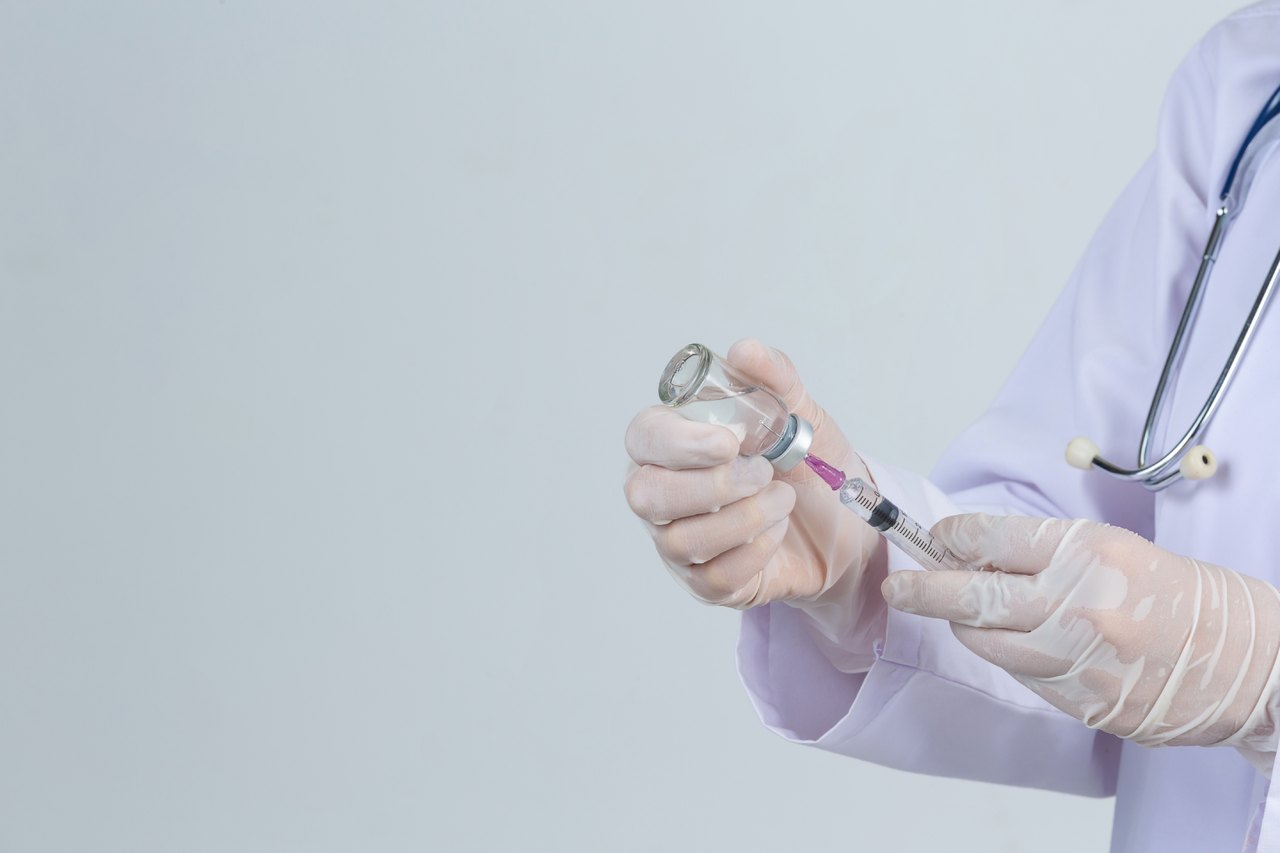



Why Integra Health for Regenerative Wellness
With over a decade serving the Hawthorne community, we’ve built our practice on a simple principle: your body knows how to heal when given the right conditions. Rather than simply managing symptoms, we educate you about the underlying mechanisms driving your health challenges and empower you to take an active role in your recovery.
Our approach integrates multiple healing modalities because complex health problems rarely have single solutions. We might combine PRP therapy for joint repair with nutritional interventions that reduce systemic inflammation and optimize tissue healing. This comprehensive strategy addresses problems from multiple angles simultaneously, producing results that isolated treatments cannot match.
Every treatment plan adapts to your changing needs and circumstances. As your body responds to therapy and your health improves, we modify protocols to maintain progress and prevent plateaus. Don’t settle for healthcare that merely manages decline. Schedule your appointment today.
A Doctor Plans Every Regenerative Protocol
Regenerative care is only as good as the judgment behind it. At Integra Health, candidacy and protocol decisions are made by Dr. Noble Thomas, DC, MSACN, and if PRP is not the right answer for your joint, he will tell you plainly. That honesty is reflected in our 5.0-star rating and 238+ five-star Google reviews from patients across Westchester.
PRP vs. Cortisone: An Honest Comparison
Many patients arrive having already had, or been offered, a cortisone shot. Both approaches have a legitimate place, and they do fundamentally different jobs. This side-by-side is educational; discuss your full options with your medical providers.
| Factor | PRP Therapy | Cortisone Injection |
|---|---|---|
| Primary goal | Stimulate repair of the damaged tissue itself | Suppress inflammation to quiet pain |
| What is injected | Concentrated platelets and growth factors from your own blood | A synthetic corticosteroid medication |
| Onset of relief | Gradual, building over weeks as tissue heals | Often fast, sometimes within days |
| How long it lasts | Improvement can continue for months as tissue remodels | Temporary; relief commonly fades and injections get repeated |
| Effect on tissue over time | Aims to support regeneration and tissue quality | Physicians limit repeat use because of known concerns for tendon and cartilage health |
| Downtime | Mild soreness for a few days as healing begins | Minimal, though activity is often limited briefly |
Investment and Insurance Factors for Regenerative Care
We are direct about this: most insurers classify PRP as an elective procedure, while nutrition counseling is sometimes covered when tied to a qualifying diagnosis. What your care ultimately costs depends on the area being treated, the number of sessions your protocol calls for, and whether nutrition support is part of your plan.
Before anything begins, we verify your benefits, tell you which pieces your insurance will and will not help with, and put complete pricing in writing. There is no obligation attached to the consultation, and no treatment starts until you have seen the numbers and agreed to the plan.
Frequently Asked Questions
What conditions does Integra Health treat with regenerative medicine?+
We provide regenerative care for a wide range of musculoskeletal conditions including osteoarthritis, tendonitis, rotator cuff tears, and plantar fasciitis. We also work with patients experiencing systemic inflammation and metabolic issues through nutritional support. Our approach focuses on identifying the root cause of your discomfort to help you achieve lasting relief.
Is PRP therapy safe?+
Yes. Because PRP is made from your own blood (autologous), there is zero risk of allergic reaction or rejection. It is one of the safest medical procedures available, using your unique biology to heal your specific injury.
How does nutrition affect my pain levels?+
Certain foods can trigger an immune response that increases inflammation throughout the body, exacerbating joint pain and fatigue. By identifying and removing these triggers while increasing nutrient-dense foods, we can lower your overall inflammatory burden and reduce pain naturally.
Can these treatments help me avoid surgery?+
For many patients, yes. Regenerative therapies like PRP offer a viable alternative to going under the knife. It allows you to heal torn tendons or damaged joints without the risks of anesthesia, hospital stays, or months of painful rehabilitation associated with surgery.
How long does it take to see results?+
Regenerative wellness is a biological building process, not a quick fix like a painkiller. While some patients notice changes in a few weeks, tissue repair continues for months. Most patients see significant improvement in function and pain reduction within 3 to 6 weeks.
What does a PRP injection cost in New York?+
PRP pricing turns on the joint treated, the volume drawn and how it is processed, whether ultrasound guidance is used, and how many sessions your case calls for. PRP is generally not covered by insurance, so we confirm what your plan will do before you commit. See how coverage and costs are worked out.
Is there any downtime after a PRP session?+
Very little for most patients. The treated area can feel sore or full for a few days, which is part of the healing response the platelets trigger. Most people return to desk work the same or next day. We simply ask you to hold off on strenuous loading of the treated joint at first and to avoid anti-inflammatory medications briefly, since they can blunt the repair process the treatment is designed to start.
Why do you pair nutrition coaching with regenerative treatments?+
Because tissue repair is a building project, and your body needs raw materials to finish it. Protein intake, micronutrient status, and overall inflammatory load all influence how well a joint responds after PRP. Pairing the two addresses the injury locally and the healing environment systemically, which is the combination we see produce the most durable results.