Services
Chiropractic CareSpinal DecompressionDeep Tissue LaserShockwave TherapyPRP TreatmentsNeuropathy TreatmentSports ChiropractorMassage TherapyNutrition CoachingPediatric CarePre & Postnatal CareAll ServicesConditions
Back PainNeck PainSciaticaShoulder InjuryKnee PainHip PainPlantar FasciitisAuto Accident InjuryWhiplashAreas Served
HawthorneMount PleasantWhite PlainsMount KiscoArmonkPleasantvilleChappaquaBriarcliff ManorTarrytownElmsfordValhallaThornwood


Doctor-Led Regenerative Care, Not a Sales Pitch
Care at Integra Health is led by Dr. Noble Thomas, DC, MSACN, and our clinical team evaluates every PRP candidate before any injection is planned. That matters, because platelet-rich plasma works well for some problems and poorly for others, and a clinic that treats everyone treats no one honestly.
We examine the painful area, review your history and imaging, and use ultrasound guidance when appropriate so the plasma lands precisely where the damaged tissue is. If an option from our full PRP treatment program or a referral elsewhere serves you better, that is what you will hear.

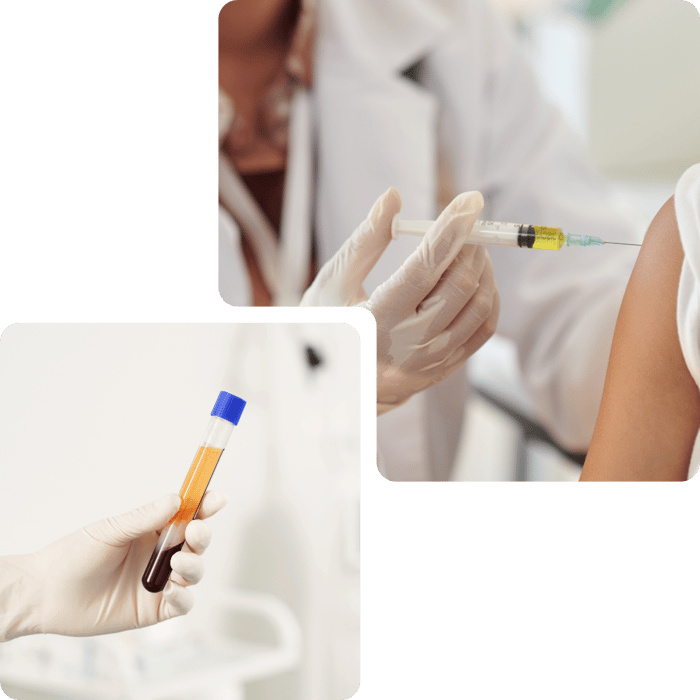
Four problem areas bring Westchester patients to us more than any others.
PRP for Knee Pain and Osteoarthritis
Knee arthritis is the most common reason Westchester patients ask us about PRP, and it is where the published research is strongest. Injections placed into the joint quiet inflammation and support the cartilage environment, helping patients stay active, delay joint replacement conversations, or step away from cortisone shots that have stopped holding.
PRP for Shoulder and Rotator Cuff Injuries
Rotator cuff tendinopathy, partial-thickness tears, and biceps tendon irritation make reaching overhead, lifting, and sleeping on one side miserable. PRP delivers concentrated growth factors into damaged tendon tissue that has naturally limited blood supply, and we pair it with rehab so the shoulder gets stronger as it heals.
PRP for Tennis Elbow and Golfer's Elbow
Elbow tendons heal slowly, which is why tennis elbow and golfer's elbow can drag on for a year or more despite rest, braces, and stretching. Chronic elbow tendinopathy is one of the better-studied uses of PRP, and a precisely placed injection can restart a stalled healing response for racquet players, lifters, and desk workers alike.
PRP for Hip Pain and Bursitis
Outer hip pain from gluteal tendinopathy or greater trochanteric pain syndrome, and stiffness from early hip arthritis, respond poorly to rest alone. PRP targets the irritated tendon and joint tissue itself rather than masking the signal, and we evaluate the hip, spine, and gait together because hip pain rarely travels alone.
PRP vs. Cortisone vs. Surgery
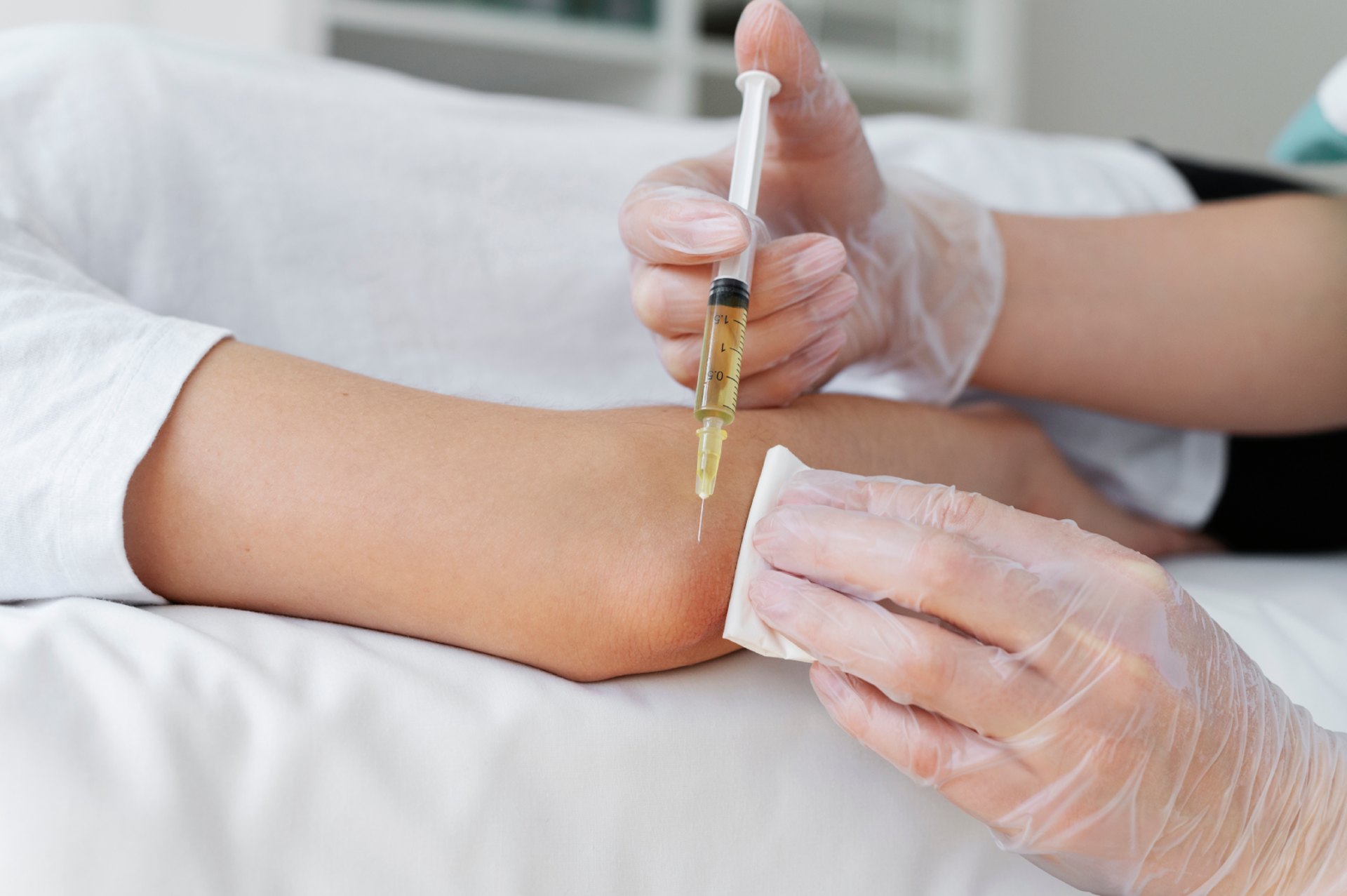
Most patients considering PRP are really weighing three options. Here is how they compare.
| PRP Therapy | Cortisone Injection | Surgery | |
|---|---|---|---|
| How it works | Concentrates platelets from your own blood and injects them to stimulate tissue repair | Delivers a steroid that suppresses inflammation and pain signals | Physically repairs or replaces the damaged structure |
| Invasiveness | Injection only, done in the office | Injection only, done in the office | Operating room, anesthesia, incisions |
| Downtime | Minimal; most people return to desk work the same or next day | Minimal; relief can be quick but temporary | Weeks to months of restricted activity and rehab |
| Typical course | Often a series of 2 to 3 injections spaced about 4 to 6 weeks apart | Single shot; repeat use is limited because of tissue effects | One procedure plus a structured recovery program |
| Effect on tissue | Aims to support actual healing of tendon and joint tissue | Calms symptoms; repeated use can weaken tendon tissue over time | Corrects structure but permanently alters the joint or tendon |
| Best suited for | Mild to moderate arthritis and chronic tendon injuries that have stalled | Short-term flare control or diagnostic confirmation | Full tears, advanced arthritis, or failed conservative care |
How Much Does PRP Cost in Westchester County?
Cost is the question we hear most, so here is the straight answer: pricing depends on your plan of care. The factors that move it are how many areas are treated, whether you need one injection or a series of 2 to 3, and whether ultrasound guidance is used. Published national ranges vary so widely that quoting a number without examining you would be guesswork.
Because most insurers still classify PRP as elective, the injection itself is usually self-pay. Our team verifies your benefits at no charge before your first visit, then puts your complete plan cost in writing. Flexible payment options are available, and we will never pressure you into a package.
PRP Therapy FAQs for Westchester Patients
What does a PRP injection cost in New York?+
PRP pricing turns on the joint treated, the volume drawn and how it is processed, whether ultrasound guidance is used, and how many sessions your case calls for. PRP is generally not covered by insurance, so we confirm what your plan will do before you commit. See how coverage and costs are worked out.
Does insurance cover PRP in New York?+
Most plans currently classify PRP as elective or investigational and do not cover the injection itself, though the evaluation or imaging portions are sometimes covered. We verify your benefits at no charge before your first visit and offer flexible payment options.
Do PRP injections hurt?+
You will feel the blood draw, similar to routine lab work, and some pressure during the injection, though we numb the skin first. Mild soreness for a day or two afterward is normal and is part of the healing response.
How many PRP injections will I need?+
Some patients improve after one injection, but most conditions respond best to a series of 2 to 3 spaced about 4 to 6 weeks apart. Your evaluation determines the recommendation, and we explain the reasoning before you commit.
Is there downtime? Can I drive myself home?+
There is no sedation, so nearly all patients drive themselves home and return to work the same or next day. We only ask you to rest the treated area and hold off on hard training briefly.
When will I notice results?+
PRP is a biological repair process, so it builds rather than switches on. Most patients notice less pain and better function within 3 to 4 weeks, with continued improvement for up to 6 months as the tissue matures.
Who should not get PRP?+
Active infections, certain blood or platelet disorders, and some medications can rule PRP out, and end-stage bone-on-bone arthritis is less likely to respond. Every patient starts with a doctor-led evaluation, and if PRP is not a good fit, we will say so and outline what is.