Services
Chiropractic CareSpinal DecompressionDeep Tissue LaserShockwave TherapyPRP TreatmentsNeuropathy TreatmentSports ChiropractorMassage TherapyNutrition CoachingPediatric CarePre & Postnatal CareAll ServicesConditions
Back PainNeck PainSciaticaShoulder InjuryKnee PainHip PainPlantar FasciitisAuto Accident InjuryWhiplashAreas Served
HawthorneMount PleasantWhite PlainsMount KiscoArmonkPleasantvilleChappaquaBriarcliff ManorTarrytownElmsfordValhallaThornwood

Massage That Belongs in a Medical Practice
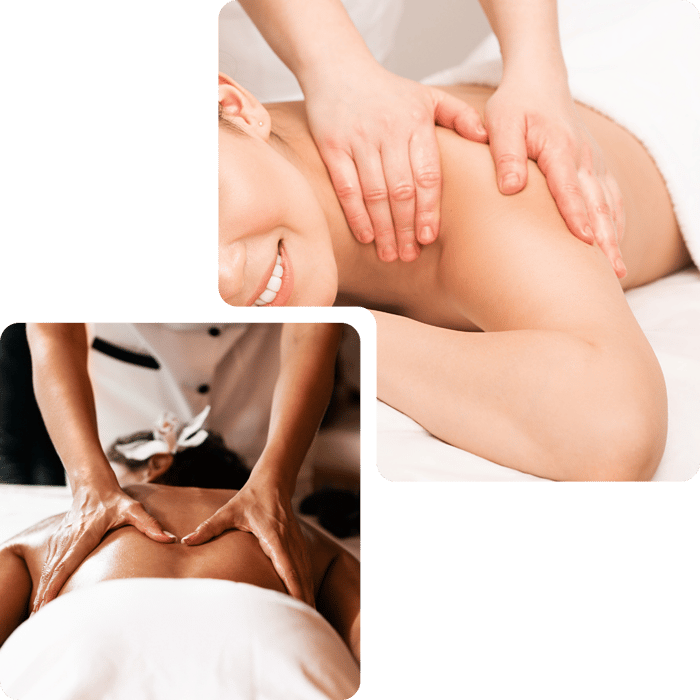
Westchester has no shortage of places to get a massage. What is genuinely hard to find is bodywork embedded in a clinical setting, where care is led by Dr. Noble Thomas, DC, MSACN and your therapist works from the same chart as your chiropractor.
That structure changes outcomes. Your therapist knows which disc was flaring last month, which shoulder is rehabbing, and what your treatment goals are, so hands-on time goes where it earns the most. You can read about the full clinical program on our massage therapy service page, or start with an evaluation and let us map the plan for you.
Technique follows diagnosis, never the other way around. These are the four approaches our licensed therapists reach for most, alone or in combination.
Deep Tissue Massage
Slow, deliberate strokes that reach the deeper muscle layers where chronic tension lives. The goal is precise pressure, not maximum pressure. Our therapists work with your feedback so stubborn knots in the back, hips, and shoulders release without leaving you bruised and dreading the next visit.
Myofascial Release
Fascia is the connective wrapping around every muscle, and when it tightens it can restrict movement far from where you feel pain. Sustained, low-load holds coax these restrictions open, which is why myofascial work often unlocks stiffness that ordinary rubbing never touches.
Trigger Point Therapy
Trigger points are irritable knots that refer pain elsewhere: a spot in the upper trapezius that fuels headaches, or a gluteal point that mimics sciatica. We locate the true source, apply focused pressure to deactivate it, and then address why it formed in the first place.
Sports and Recovery Massage
For runners, golfers, lifters, and weekend athletes across Westchester, we time sessions around training and competition. Pre-event work primes tissue for load, while recovery sessions flush out soreness, keep scar tissue from organizing badly, and flag developing problems before they become injuries.
Will Insurance Cover Massage Therapy in Westchester?
Sometimes, and the honest variables are worth knowing up front. Coverage usually hinges on whether the massage is medically necessary and prescribed as part of a documented treatment plan, whether your plan requires a physician or chiropractor referral, and how your specific policy treats manual therapies. Standalone relaxation sessions are almost never covered, while clinically directed soft tissue work inside a chiropractic care plan sometimes is.
You should not have to decode a benefits booklet to find out. Our team verifies your coverage before your first appointment at no charge and explains, in plain language, what your plan supports and what would be self-pay. If your care is self-pay, we keep pricing transparent and will tell you honestly how many sessions we believe your condition needs, and when you no longer need us.
Massage Therapy FAQs for Westchester County
What is the difference between medical massage and a spa massage?+
Intent and accountability. A spa session aims to help you relax for an hour. Medical massage at Integra Health starts with an assessment, targets a specific problem such as chronic neck tension or a recovering injury, and is tracked over time as part of a doctor-led care plan. Both feel good; only one is designed to change how your body functions.
Do I need a doctor's referral to book massage therapy?+
Not for self-pay care; you can book directly. If you hope to use insurance benefits, some plans require a prescription or referral showing medical necessity, and our front desk will walk you through exactly what your plan needs during your complimentary benefits check.
Can I combine massage with a chiropractic adjustment on the same visit?+
Yes, and many Westchester patients do exactly that. Soft tissue work before an adjustment relaxes the muscles that pull joints out of alignment, which often makes the adjustment more comfortable and helps it hold longer. We schedule the two back to back under one roof.
Is prenatal massage safe, and when can I start?+
Prenatal massage is widely considered safe for most healthy pregnancies once your OB provider gives the go-ahead, and our therapists use side-lying positioning and supportive cushioning to keep you comfortable at every stage. We coordinate this work with our prenatal chiropractic team so your whole pregnancy care plan pulls in the same direction.
How often should I schedule massage for chronic pain?+
For an active problem, most plans start with weekly sessions for a few weeks so progress can compound, then stretch the interval out as your tissue improves. Maintenance frequency is personal; we set it based on how long your results hold between visits, not on a package we want to sell.
What should I expect at my first visit?+
Plan for a conversation before you ever get on the table. Your therapist reviews your history, watches how you move, and agrees on goals with you. The hands-on portion follows, and you leave with honest feedback about what we found and a recommendation for what, if anything, should come next.