Services
Chiropractic CareSpinal DecompressionDeep Tissue LaserShockwave TherapyPRP TreatmentsNeuropathy TreatmentSports ChiropractorMassage TherapyNutrition CoachingPediatric CarePre & Postnatal CareAll ServicesConditions
Back PainNeck PainSciaticaShoulder InjuryKnee PainHip PainPlantar FasciitisAuto Accident InjuryWhiplashAreas Served
HawthorneMount PleasantWhite PlainsMount KiscoArmonkPleasantvilleChappaquaBriarcliff ManorTarrytownElmsfordValhallaThornwood


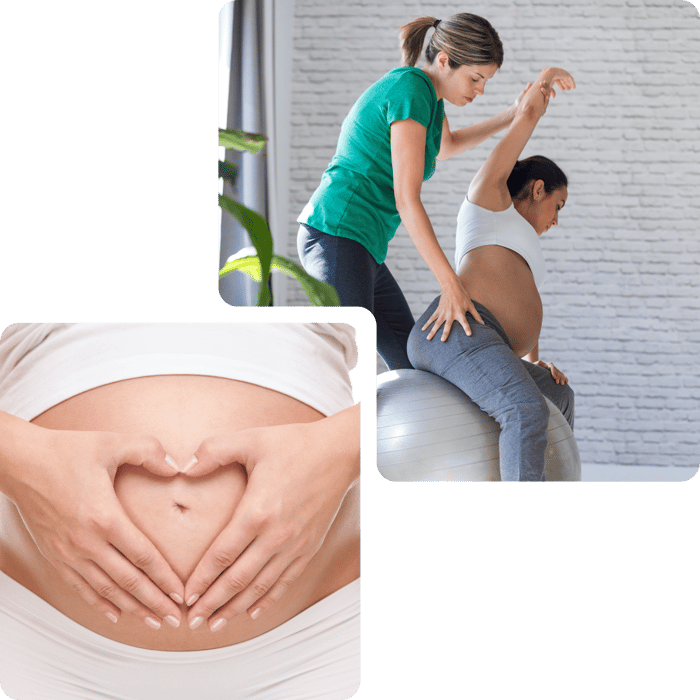
Nine Months of Change Deserve Care That Adapts
Pregnancy reshapes your mechanics month by month. Hormones loosen the ligaments, the center of gravity drifts forward, and joints that never complained before start speaking up, usually right when sleep matters most and medication options feel most limited.
That is the gap prenatal chiropractic fills. Our pre and postnatal care program uses gentle, drug-free techniques matched to each stage of pregnancy, whether you are a first-time mom or already juggling a toddler. Appointments are unhurried, positioning keeps you comfortable, and nothing about the plan is generic.
Relief, Trimester by Trimester
Each trimester brings its own complaints, and care should change right along with them.
| Trimester | Common complaints | How care adapts |
|---|---|---|
| First trimester | Fatigue, nausea, and flare-ups of back or neck issues that predate the pregnancy | A gentle baseline evaluation and standard low-force techniques, with visits kept short and comfortable |
| Second trimester | Round ligament pain, a growing low back ache, posture shifts as your center of gravity moves forward | Pregnancy pillows and positioning changes come into play, and pelvic balance is assessed at every visit |
| Third trimester | Sciatica, pelvic girdle and pubic symphysis pain, rib and mid-back tension, general pelvic pressure | Side-lying setups, extra positioning support, and appointment pacing that follows your comfort and your schedule |
Postpartum Recovery Care, Because Delivery Is Not the Finish Line
The fourth trimester loads the body in brand new ways: hours of feeding posture, a car seat carried on one arm, broken sleep on a spine still resettling from pregnancy. Postpartum visits focus on realigning the pelvis and low back, releasing the neck and mid-back tension feeding positions create, and rebuilding comfortable movement for the lifting-heavy months ahead.
After a cesarean, we sequence care around your healing. Gentle upper back, neck, and shoulder work can start early, while pelvic and low back care waits for clearance from your OB, typically around the six week mark. Bring the baby along if that makes scheduling possible.

Prenatal Chiropractic, Prenatal Massage, or Physical Therapy?
Expectant moms in Westchester have several good options, and they are not interchangeable. Here is a plain comparison to help you match the tool to the problem; many moms sensibly combine more than one.
| Aspect | Prenatal chiropractic | Prenatal massage | Physical therapy |
|---|---|---|---|
| Primary focus | Joint alignment and pelvic balance through gentle, pregnancy-adapted adjustments | Soft tissue tension, circulation, and overall relaxation | Strength and movement retraining for a specific dysfunction |
| What a session feels like | Precise, low-force positioning and contacts with full pillow support | Sustained hands-on muscle work in supported, pregnancy-safe positions | Guided exercise, stretching, and hands-on mobility work |
| Often chosen for | Low back, pelvic, hip, and sciatic complaints tied to alignment | Generalized muscle tension, stress, and swelling-related discomfort | Weakness, instability, or recovery from a defined injury |
| How it fits with OB care | Runs alongside routine prenatal visits; we coordinate with your OB or midwife when questions arise | Complements other care as long as positioning is adapted for pregnancy | Usually begins with a referral for a specific diagnosed problem |
Close to Home for Expectant Moms Across Westchester
Late-pregnancy logistics are their own workout, so proximity is not a small thing. Most dedicated pregnancy chiropractic offices sit in the southern part of the county; ours is in central Westchester, which keeps drives short for the northern and mid-county towns. Parking is a free private lot at the door, and the Hawthorne Metro-North station on the Harlem Line is about a 5 minute walk away.
Start with the full picture of our approach on the pre and postnatal care page, or get to know both doctors on the providers page before you book.
Prenatal Chiropractic Questions from Westchester Moms
Is chiropractic care safe during pregnancy?+
For most healthy pregnancies, yes. We rely on position-modified, low-force techniques, pregnancy pillows, and side-lying setups so there is never pressure on your belly, and we coordinate with your OB or midwife whenever a suitability question comes up.
When should I start seeing a prenatal chiropractor?+
Any trimester works. Some moms start in the first trimester to get ahead of the postural changes they know are coming; many arrive in the second or third once low back, hip, or pelvic pain has shown up. Earlier starts tend to make symptoms easier to manage.
What is the Webster Technique?+
A pregnancy-specific chiropractic assessment and gentle adjustment approach focused on sacral alignment and balance in the muscles and ligaments around the pelvis. The research base is still developing, so we present it as a comfort and alignment technique, not a guaranteed path to any birth outcome.
Can adjustments help with breech positioning?+
Chiropractors do not turn babies, and we will never claim to. The Webster Technique addresses pelvic balance, and some families pursue it alongside their OB's or midwife's guidance when a baby is breech. We keep expectations realistic and your delivery team in the loop.
How often will I need visits during pregnancy?+
Frequency is individual. A common pattern is closer-together visits while a symptom like sciatica is acute, then spaced-out visits once it settles, revisited as your due date approaches. You get a specific recommendation after your evaluation, not a one-size plan.
Can I be adjusted after a C-section?+
Yes, with the right timing. Neck, mid-back, and shoulder care can begin while your incision heals; pelvic and low back work waits until your OB clears you, commonly around six weeks postpartum. Positioning is adapted at every stage.
Will insurance cover prenatal chiropractic?+
Many plans include chiropractic benefits that continue to apply during pregnancy, though visit limits and copays vary by policy. Share your plan details when you book and we verify your benefits before the first visit, then walk through self-pay and financing options candidly.