Services
Chiropractic CareSpinal DecompressionDeep Tissue LaserShockwave TherapyPRP TreatmentsNeuropathy TreatmentSports ChiropractorMassage TherapyNutrition CoachingPediatric CarePre & Postnatal CareAll ServicesConditions
Back PainNeck PainSciaticaShoulder InjuryKnee PainHip PainPlantar FasciitisAuto Accident InjuryWhiplashAreas Served
HawthorneMount PleasantWhite PlainsMount KiscoArmonkPleasantvilleChappaquaBriarcliff ManorTarrytownElmsfordValhallaThornwood


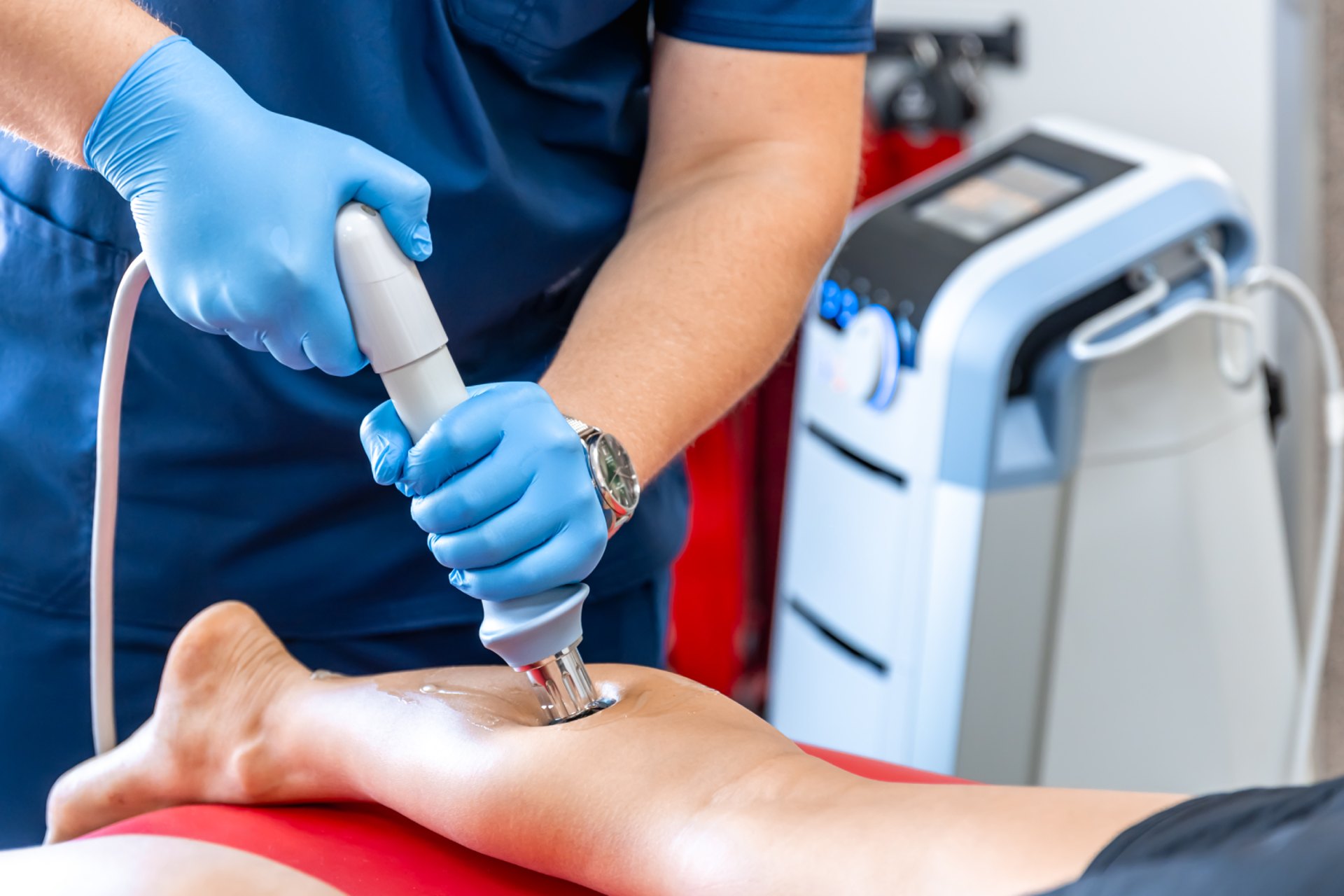
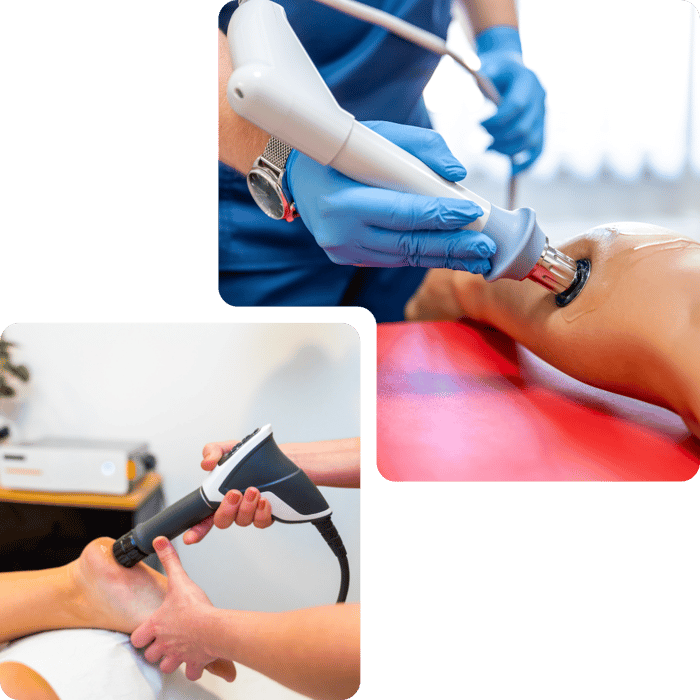
This non-invasive treatment uses acoustic pressure waves to stimulate your body's natural healing response at the cellular level.
Unlike cortisone shots that mask pain temporarily, shockwave therapy addresses damaged tissue directly by increasing blood flow, breaking down calcifications, and triggering regenerative processes that actually repair injured areas.
At Integra Health, we have watched patients regain mobility they thought was gone forever without relying on opioids or going under the knife. Ready to explore a treatment option your previous doctors probably never mentioned? Schedule your shockwave therapy evaluation today.
Conditions We Treat with Shockwave Therapy in Hawthorne
We apply shockwave therapy across a wide range of musculoskeletal conditions that have failed to respond to conservative care or keep coming back despite multiple treatment attempts.
Schedule an Appointment →Plantar Fasciitis
That stabbing heel pain when you first step out of bed each morning stems from chronic inflammation and micro-tears in the thick tissue running along your foot’s bottom. Shockwave therapy breaks up scar tissue buildup and stimulates collagen production in damaged fascia, offering lasting relief where stretching and orthotics fell short.
Tendon Injuries and Tendinitis
Tennis elbow, golfer’s elbow, Achilles tendinitis, and rotator cuff tendinopathy all share a common pattern of degenerative tissue changes that limit healing. The acoustic waves trigger neovascularization in these poorly-supplied areas, bringing fresh oxygen and nutrients that allow proper tendon repair.
Calcific Shoulder Tendinitis
Calcium deposits form in shoulder tendons and cause severe pain with overhead movements. Shockwave therapy fragments these calcifications while simultaneously reducing local inflammation.
Knee Pain and Patellar Tendinopathy
Jumper’s knee responds particularly well to focused shockwave treatment, which addresses both pain and the underlying tendon degradation common in active individuals.
Hip Bursitis
Greater trochanteric pain syndrome involves inflamed bursa and surrounding soft tissue. Shockwave therapy reduces inflammation while promoting tissue remodeling in this challenging area.
Myofascial Trigger Points
Chronic muscle knots that create referral pain patterns throughout your body can be released through targeted shockwave application that disrupts dysfunctional motor endplates.
Why Choose Integra Health for Shockwave Therapy?
Integra Health brings advanced shockwave protocols to Hawthorne and the wider Westchester County area with a commitment to patient education that goes beyond handing you a treatment plan you do not fully understand. We take time explaining exactly how acoustic wave therapy works for your specific condition and what realistic outcomes look like based on current research.
Our approach centers on personalized treatment plans that account for your injury history, activity goals, and overall health status rather than applying generic protocols to everyone walking through the door. Ready to stop managing pain and start resolving the underlying problem? Schedule your comprehensive evaluation at Integra Health, where we combine cutting-edge technology with the individualized attention your recovery deserves.

Shockwave Therapy FAQs for Hawthorne Patients
Does the treatment hurt?+
Most patients describe the sensation as intense but tolerable, similar to a deep tapping or pulsing feeling. The intensity can be adjusted to your comfort level throughout the session.
How many sessions will I need?+
The standard protocol for most conditions is 3 to 5 sessions, spaced about a week apart. This allows the tissue time to heal and rebuild between treatments.
Is this covered by insurance?+
Coverage varies. While some plans cover it, many classify it as an elective procedure. We will perform a complimentary benefits check in our Hawthorne office to help you understand your options and offer affordable packages if needed.
What should I do after the treatment?+
There is usually no downtime, but we recommend avoiding high-impact activity (like running a marathon) for 24-48 hours after the session to allow the healing process to begin.
Is this the same as lithotripsy for kidney stones?+
It uses the same technology (acoustic waves) but at a lower intensity designed specifically for musculoskeletal tissue. It effectively breaks up scar tissue and calcifications in tendons, just like lithotripsy breaks up stones, but is safe for soft tissue.
Can it treat old injuries?+
Yes. In fact, it is best suited for chronic injuries that have turned into “scar tissue” and stopped healing on their own. It re-initiates the healing cycle in injuries that are months or even years old.
Does shockwave therapy help piriformis syndrome?+
It can, though we will be honest that the research on piriformis syndrome is younger than the evidence for plantar fasciitis or tendinitis. The piriformis is a deep hip muscle that can develop stubborn trigger points and irritate the nearby sciatic nerve, mimicking sciatica. Shockwave can release those trigger points and improve local blood flow, and many patients respond well. We start with a careful exam to confirm the piriformis is truly the source of your symptoms before recommending a series.
Can shockwave therapy heal ligaments?+
The strongest published evidence for shockwave involves tendons and fascia rather than ligaments. Ligaments do share the trait that makes tendons respond, a limited blood supply that slows natural healing, and researchers are actively studying shockwave for ligament injuries. In our clinic it may serve as one supportive part of a ligament rehab plan alongside progressive strengthening, but it is not a standalone fix, and a complete tear requires a different level of care.