Services
Chiropractic CareSpinal DecompressionDeep Tissue LaserShockwave TherapyPRP TreatmentsNeuropathy TreatmentSports ChiropractorMassage TherapyNutrition CoachingPediatric CarePre & Postnatal CareAll ServicesConditions
Back PainNeck PainSciaticaShoulder InjuryKnee PainHip PainPlantar FasciitisAuto Accident InjuryWhiplashAreas Served
HawthorneMount PleasantWhite PlainsMount KiscoArmonkPleasantvilleChappaquaBriarcliff ManorTarrytownElmsfordValhallaThornwood


At Integra Health in Hawthorne, we take a different approach to chronic pain solutions. Our comprehensive treatment model targets the underlying mechanisms causing your discomfort rather than simply covering up symptoms.
Located at 153 Broadway Suite 1, just minutes from the Saw Mill River Parkway and central Hawthorne business district, our clinic serves patients throughout Westchester County seeking lasting relief from persistent pain conditions.
We combine advanced spinal decompression technology with targeted neuropathy treatments to address the neurological and structural issues driving chronic pain. This multi-faceted approach helps patients who have tried everything else finally experience the relief they deserve. Schedule your consultation today and discover how our chronic pain solutions can help you reclaim the active, pain-free life you deserve.

 Spinal Decompression
  Neuropathy Treatment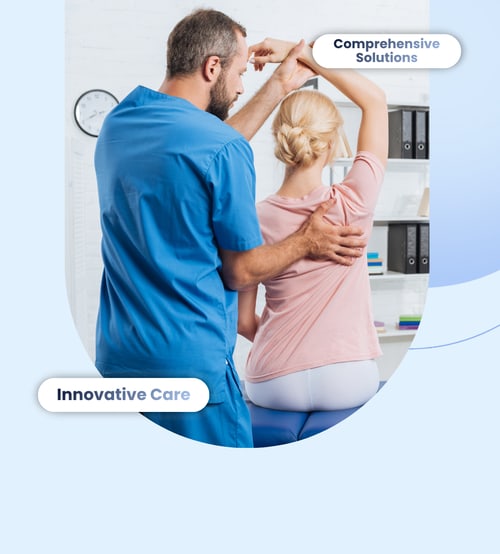
Why Integra Health for Chronic Pain Solutions
With over a decade serving the Hawthorne community, our team brings extensive experience treating complex chronic pain conditions that haven’t responded to conventional approaches. We’ve helped hundreds of patients throughout the 10532 zip code and surrounding Westchester areas find relief when other treatments failed.
Our philosophy centers on patient education and empowerment. We don’t just treat your symptoms; we help you understand what’s causing your pain and how different therapies work together to promote healing. This knowledge transforms you from a passive recipient of care into an active participant in your recovery journey.
What sets Integra Health apart is our commitment to comprehensive, multi-modal treatment strategies. We recognize that chronic pain rarely has a single cause or simple solution. By combining spinal decompression, neuropathy treatments, and supportive therapies, we address multiple contributing factors simultaneously. This integrated approach produces better outcomes than isolated treatments targeting only one aspect of your condition. Stop letting chronic pain control your life. Contact Integra Health today to schedule your comprehensive evaluation and take the first step toward lasting relief.
Chronic Pain Care Directed by Dr. Noble Thomas
Long-standing pain deserves more than a rotating cast of technicians. Care here is led by Dr. Noble Thomas, DC, MSACN, who performs your evaluation personally, chooses the therapy combination, and reviews your progress at defined milestones. Patients throughout Westchester have responded to that standard with a 5.0-star rating and 238+ five-star Google reviews.
Comparing Your Options for Long-Term Pain
Chronic pain rarely responds to a single tool, so it helps to understand what each therapy actually does. This comparison is educational; your evaluation determines which combination belongs in your plan.
| Therapy | What It Targets | Typical Course | Often Considered For |
|---|---|---|---|
| Spinal decompression | Pressure inside herniated, bulging, or degenerating discs | A multi-week series of comfortable, computer-controlled sessions | Disc-related back pain, sciatica, stenosis symptoms |
| Neuropathy protocol | Damaged peripheral nerves causing burning, numbness, and tingling | A structured program over several weeks, adjusted to nerve response | Diabetic and chemotherapy-related nerve pain in hands and feet |
| Chiropractic adjustments | Joint restriction and alignment problems feeding ongoing pain | Visits spaced further apart as function returns | Recurring back and neck pain, posture-driven symptoms |
| Deep tissue laser | Inflammation and slow tissue repair at the cellular level | Brief sessions, usually layered onto other visits | Stubborn soft-tissue pain that has plateaued with other care |
Understanding the Cost of Chronic Pain Care
Because chronic pain plans blend several therapies, cost depends on the mix your case requires, the length of your program, and how your insurance treats each component. Examinations and chiropractic visits are commonly covered benefits, while specialized programs like decompression and neuropathy care are frequently classified as elective by insurers.
Our team verifies your benefits before care begins and walks you through exactly which parts of your plan your insurance covers. Where a therapy is self-pay, you see the pricing in writing before you commit, and longer programs can be broken into phases so you can evaluate your progress before continuing.
Frequently Asked Questions
What chronic conditions does Integra Health treat?+
We provide care for a wide range of chronic conditions including lumbar disc herniations, spinal stenosis, sciatica, diabetic neuropathy, and chemotherapy-induced nerve pain. Our approach focuses on identifying the root structural or neurological cause of your discomfort to help you achieve lasting relief.
Can a chiropractor fix a pinched nerve?+
In many cases chiropractic care can relieve a pinched nerve, provided the pressure comes from a mechanical source such as a bulging disc, a stiff joint or tight muscle near the nerve root. We combine adjustments, spinal decompression and targeted exercise to take load off the nerve so it can calm down. If numbness spreads or strength fades, we order imaging or refer you before going further.
Can a chiropractor help with pudendal nerve damage?+
Sometimes, as one part of a wider plan, but never on its own. Pudendal nerve pain is a pelvic condition that needs a medical diagnosis first, usually from a urologist, gynecologist or pain specialist. Where stiff hip, pelvic or low back mechanics add to the irritation, gentle chiropractic and soft tissue care may ease that load. We coordinate with your specialist rather than replace them.
Is spinal decompression painful?+
No. In fact, most patients find it very relieving. You will feel a gentle stretch in your spine that takes the pressure off the nerves. The machine is computer-controlled to ensure the force is applied smoothly and comfortably, and many patients even fall asleep during the session.
How long does a typical treatment plan last?+
Chronic pain didn’t appear overnight, and healing takes time. While some patients feel relief in a few visits, a typical plan to correct the underlying issue may last several weeks or months. We will provide a clear timeline during your initial consultation.
What does a chiropractic visit cost at Integra Health?+
Cost depends on whether it is a first visit with an exam or a follow up adjustment, what your plan covers, where you stand against your deductible, in network or out, and how many visits your plan of care calls for. We verify your benefits before your first visit. See how coverage and costs are worked out.
Can spinal decompression be combined with chiropractic adjustments?+
Yes, and the two often work better together than either does alone. Decompression reduces pressure inside a loaded disc while adjustments restore motion to the surrounding joints. Dr. Thomas sequences the therapies so each session builds on the last, and the mix changes as your symptoms improve.
What if injections or physical therapy have already failed?+
That is the story we hear most often, and it does not mean you are out of options. Injections calm inflammation and physical therapy strengthens muscle, but neither decompresses a compressed disc or restores struggling nerves. Our evaluation looks specifically for those mechanical and neurological drivers. If our care is not the right fit for your case, we will say so honestly and help point you toward the provider who is.