
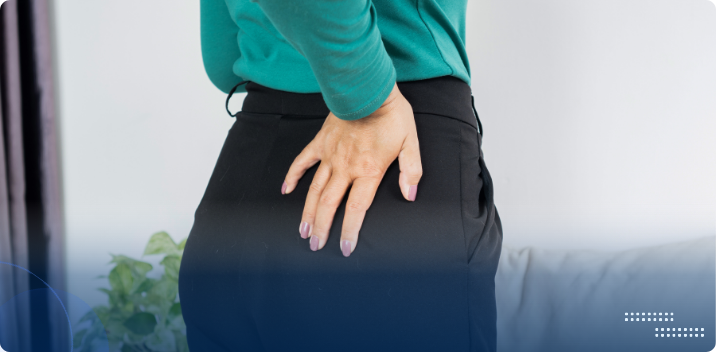
Hip pain relief in Hawthorne, NY, matters when getting out of a chair feels like a negotiation, or when a short walk turns into a limp by the end of the block. You do not need to jump straight to injections or surgery to start moving better. For many people, the best path forward is a multimodal plan that combines joint care, soft-tissue work, supportive technology, and sustainable daily habits.
These five options often work well together, especially when the goal is less pain, better function, and fewer flare-ups.
Why a Combined Plan Works Better Than a Single Fix
Hip pain tends to linger longer than expected because it is rarely just one issue. Joint irritation, tight surrounding muscles, and sensitized nerve signaling can reinforce one another, particularly when your body starts compensating with altered movement patterns. A combined approach helps calm that irritation, restore better mechanics, and build habits that make your progress more durable over time.
1. Chiropractic Care for Hip Joint Alignment and Pain Relief
When hip pain develops, the body often responds with protective muscle guarding. That guarding can limit your range of motion, compress sensitive structures around the hip socket, and keep the nervous system in a heightened state. In that cycle, even ordinary movements like climbing stairs or getting dressed can feel unpredictable.
Chiropractic care can be part of a plan to improve joint mobility and reduce mechanical stress on the hip, pelvis, and lower spine. A provider uses controlled, specific techniques to restore alignment and motion. When the joint moves more freely, the surrounding muscles have less reason to stay locked up, and pain signals can begin to settle.
At Integra Health, care is built around your individual history and how your body actually moves, not a generic protocol. That matters whether you are managing a labral irritation, post-surgical stiffness, or recurring flare-ups tied to long hours at a desk or behind a wheel.
2. Deep Tissue Laser Therapy to Calm Inflammation and Sensitivity
Deep tissue laser therapy, sometimes called Class IV or high-intensity laser therapy, uses focused light energy to support cellular function in muscles, tendons, and joint tissues. This process is often described as photobiomodulation.
In practical terms, an irritated hip can feel dense, hot, and reactive. Laser sessions are commonly used to support local circulation and help the area feel less sensitive over time. When pain signals quiet down, movement usually becomes easier, which helps interrupt the cycle that keeps symptoms going.
At Integra Health, deep tissue laser therapy may be integrated into a broader rehabilitation plan. Many patients describe their sessions as calming and time-efficient, especially when the goal is to reduce irritation without downtime or recovery periods.
3. Spinal Decompression Therapy for Nerve and Joint Pressure Relief
Hip pain does not always originate in the hip itself. Referred discomfort from compressed lumbar nerves can travel into the outer hip, the groin, or down the thigh in patterns that mimic direct hip joint problems. In many cases, addressing spinal pressure is a necessary part of resolving what feels like a hip issue.
Spinal decompression therapy uses computer-controlled traction to gently unload the spine in a precise and measured way. The goal is to reduce pressure on lumbar discs and the nerves that feed into the hip region. Some models also describe a pressure-reducing effect inside the disc that may support better fluid movement and tissue recovery.
Decompression works best when it is paired with movement guidance and hands-on care. At Integra Health, protocols are built around your specific symptoms and how you respond over time. Sessions are typically steady and comfortable, with controlled positioning rather than twisting or abrupt movements.

4. Massage Therapy to Release Muscle Guarding and Improve Tissue Mobility
Hip pain is rarely an isolated joint problem. The hip is surrounded by some of the most powerful muscles in the body, including the hip flexors, glutes, piriformis, and IT band. When any of these structures become tight, restricted, or overloaded, they alter the mechanics of the entire lower body and place added stress on joints that are already irritated.
Massage therapy targets the soft tissue restrictions that contribute to hip strain and limited mobility. It can also support a calmer response from the sympathetic nervous system, which plays a meaningful role in both pain sensitivity and chronic muscle tension. Research suggests that massage may help with hip-related discomfort and short-term function, especially when combined with other forms of care.
At Integra Health, massage is integrated into the overall plan rather than treated as a standalone service. Communication across providers helps direct each session toward the tissues most relevant to your current movement patterns and pain levels.
5. Nutrition and Lifestyle Choices That Help Results Last
Your hip is part of a larger system. Systemic inflammation, sleep quality, and daily movement patterns all affect how the joint feels and how well it heals. If you want hip pain relief in Hawthorne, NY, that holds up over time, addressing these factors is an essential part of the process.
Small, consistent changes tend to outlast major resets that are difficult to maintain.
Eat to Support Lower Inflammation
A dietary pattern that emphasizes vegetables, fruit, fiber-rich carbohydrates, and healthy fats can support tissue recovery and healthy weight management. Carrying extra weight increases mechanical load on the hip joint with every step, so even modest reductions can translate into meaningful relief.
Move More and Break Up Long Sitting Periods
A stable hip requires more than just strength. It requires consistency. Walking, gentle mobility work, and basic lower-body strengthening can improve the joint's ability to handle load. Long periods of sitting tend to shorten hip flexors and compress the joint, so brief movement breaks throughout the day are a practical and accessible strategy.
Prioritize Sleep and Stress Regulation
Poor sleep can amplify pain sensitivity the following day. Chronic stress keeps the body in a guarded state, which often presents as tight hips, shallow breathing, and slower recovery. Practical habits like slow diaphragmatic breathing, time spent outdoors, and a consistent bedtime routine can meaningfully support the effectiveness of your care plan.
Integra Health also offers nutrition coaching to help you build realistic habits that fit your actual schedule and support long-term wellness.
Why Integra Health Fits Hawthorne Workdays
High-functioning professionals often need two things at the same time: clear clinical answers and a plan that does not consume their entire week. That is where a coordinated clinic model provides real value.
Integra Health is located at 153 Broadway, Suite 1, Hawthorne, NY, directly along Broadway. It is a convenient stop for anyone traveling Route 9A or the Saw Mill River Parkway. Many patients also visit from nearby communities including Valhalla, Thornwood, Pleasantville, and White Plains. If you use the Metro-North Harlem Line, the Hawthorne station is close enough to make regular appointments realistic even on a busy schedule.
That local accessibility works best when the clinical plan is equally efficient, knowing when to use hands-on care, when to add supportive technology, and when lifestyle adjustments will produce the most significant gains.

Conclusion
A healthier hip usually comes from the right combination of care rather than a single fix. Chiropractic support, laser therapy, decompression, massage, and sustainable daily habits can work together to reduce pain, restore function, and make flare-ups less frequent.
If you are looking for hip pain relief in Hawthorne, NY, Integra Health brings these options together in one coordinated care setting. To take a practical next step, schedule an appointment and receive a focused plan based on your symptoms, your movement patterns, and your goals.
Ready to take the next step?
Talk with the Integra Health team about a Hip Pain Care plan built around your goals — in Hawthorne, NY.