
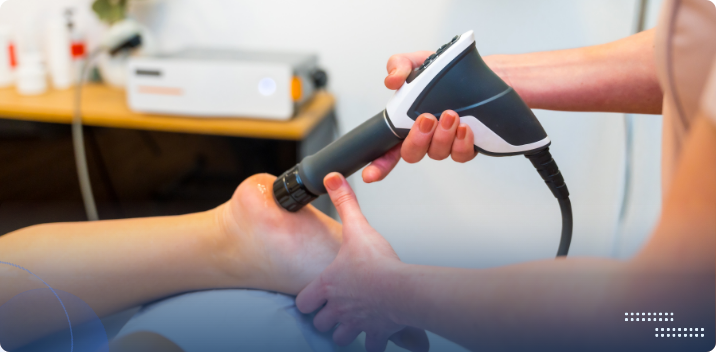
If persistent tendon pain, plantar fasciitis, arthritic joints, or a stubborn soft tissue injury has kept you from living your life, shockwave therapy at Integra Health may be exactly the solution you have been looking for. Shockwave therapy works by delivering high-energy acoustic pulses deep into damaged tissue, stimulating the body's natural repair processes at a cellular level. Because these injuries are so often undertreated with conventional approaches, many patients spend months managing symptoms rather than correcting the underlying problem.
By pursuing shockwave therapy early, you can address the root causes of chronic pain before they become long-term limitations. Integra Health pairs this advanced technology with chiropractic care, rehabilitative exercise, and soft tissue therapies to produce lasting results. Patients throughout Hawthorne, Mt. Pleasant, Pleasantville, and the surrounding Westchester County communities choose Integra Health because our team combines cutting-edge technology with a genuinely personalized approach to healing.
Explore Shockwave Therapy
What Shockwave Therapy Is
Shockwave therapy, also called extracorporeal shockwave therapy or ESWT, is a noninvasive treatment that delivers focused acoustic energy to injured tissue. The technology was first used in medicine to break up kidney stones and has since been adapted for stubborn joint, tendon, and soft tissue problems. During treatment, a handheld device sends pulses through a small applicator on your skin; the pressure waves travel into the tissue, break down scar tissue and calcifications, increase blood flow, and trigger the release of growth factors that accelerate cellular repair. There are no incisions and no needles. Treatment sessions are brief, and most patients notice measurable improvement within three to five sessions.
This approach is particularly effective for conditions that have failed to respond to rest, physical therapy, or anti-inflammatory medications alone.
Conditions Shockwave Therapy Treats
Tendon and Soft Tissue Injuries
Shockwave therapy has a strong clinical track record for a wide range of tendon-related conditions. Common conditions our team addresses include:
-
Plantar fasciitis and heel spur syndrome
-
Achilles tendinopathy
-
Patellar tendinopathy (jumper's knee)
-
Rotator cuff tendinosis
-
Tennis elbow and golfer's elbow
-
Calcific shoulder tendinitis
-
Hip bursitis and gluteal tendinopathy
Because shockwave therapy promotes genuine tissue repair rather than simply masking discomfort, it is an excellent option for patients who want to resolve the problem rather than manage it indefinitely.
Chronic Pain and Myofascial Conditions
Beyond tendons, shockwave therapy is also effective for treating trigger points and myofascial pain syndromes. The acoustic waves disrupt painful muscular knots, restore normal tissue mobility, and reduce the cycle of tension and referred pain that makes these conditions so difficult to treat through stretching or massage alone.
Arthritis and Stiff Joints
Shockwave therapy is also used for people living with osteoarthritis or long-standing joint pain after old injuries, particularly in weight-bearing joints like the knees, hips, and lower back, as well as shoulders and other joints that take a lot of daily use. Because it can be directed at the tissues in and around a stiff joint, it offers a way to focus care on the joint itself instead of only masking symptoms. The section below explains how it works in that setting and who tends to be a good fit.
How Shockwave Therapy Works
The Science Behind the Treatment
When acoustic pulses reach damaged tissue, they produce several simultaneous physiological responses. Cavitation bubbles form and collapse within the tissue, breaking apart fibrous adhesions and calcifications. At the same time, the mechanical stimulation triggers increased production of collagen, growth hormone, and nitric oxide, all of which are essential to tendon repair and regeneration. Circulation to the treated area improves significantly, delivering the oxygen and nutrients that healing tissue requires.
This combination of mechanical disruption and biological stimulation allows the body to complete a repair process that chronic degeneration had previously stalled.
What to Expect During a Session
A typical visit starts with a conversation about which areas bother you most and what activities are hardest right now. At the start of your first appointment, your provider will apply a conductive gel to the treatment area and calibrate the shockwave device to the appropriate frequency and intensity for your specific condition. You may feel a rhythmic tapping or pulsing sensation during the session, similar to a deep, focused massage, and some patients experience mild discomfort in areas of concentrated scar tissue. This is a normal sign that the therapy is reaching the target tissue.
Sessions are short, often around 5 to 15 minutes per treated area and rarely more than 15 to 20 minutes in total. You stay awake the whole time, anesthesia is rarely needed, and there is no downtime required afterward; most people walk out of the office and return to light daily activity right away. Sessions are well-tolerated by the vast majority of patients, and a course of care is usually spaced about a week or two apart so the tissue has time to respond between visits.
Shockwave Therapy for Arthritis: Helping Stiff Joints Move More Comfortably
Arthritis turns small, everyday movements into careful calculations. You bend to tie your shoe, and your knee protests. You reach for the top shelf, and your shoulder feels stuck. Many people assume their only choices are medication or surgery, yet shockwave therapy offers another path that focuses on your body's own repair.
How It Works When the Problem Is a Joint
Arthritis changes how a joint moves and feels over time. The cartilage can thin, the surrounding muscles tighten, and the joint lining becomes more sensitive; the National Institute on Aging's overview of osteoarthritis describes this gradual wear as the most common form of arthritis in older adults. Shockwave therapy gently stresses the tissues around that joint in a controlled way so the body sends in more support. In simple terms, it may help:
-
Improve local blood flow so more oxygen and nutrients reach the joint.
-
Encourage the body to build and remodel the supportive tissues around the joint.
-
Calm some of the signals that keep pain and stiffness switched on.
What changes is the environment around the joint. When the tissues glide better and are less irritated, everyday movements can feel easier and less guarded.
What Arthritis Patients Tend to Notice
If you have tried heat, rest, or basic stretching and your joint still complains each morning, shockwave therapy may offer something different. Many patients report noticeable drops in pain after a series of sessions, and because the therapy targets the tissue itself, relief can last longer than topical creams or temporary fixes. When inflammation eases and tissue starts to repair, range of motion often improves, so a stiff hip that makes getting into the car a challenge may loosen enough to let you move with less hesitation.
There is also a practical advantage over system-wide options. Pills travel through your entire body, while shockwaves stay local, so you are not weighing stomach upset, drowsiness, or interactions with other treatments. And because pain tends to decrease as the tissue heals, patients can usually push a bit harder in rehab exercises, building the strength and stability around the joint that protects it over the long term.
Who Is a Good Candidate
You might be a good fit for shockwave therapy as part of an arthritis plan if:
-
Joint pain or stiffness makes everyday tasks feel harder than they used to.
-
You want to try non-surgical, non-medication options first.
-
You have tried basic conservative care and feel stuck at the same level of discomfort.
Your provider will review your medical history, current medications, and any imaging you have had, and will consider your overall health and goals before deciding whether shockwave therapy makes sense for you. It is not a magic reset button for worn joints, yet when sound waves are directed into arthritic joints with a clear plan, the tissue often responds with better circulation, less irritation, and a smoother feel when you move.
Assessment and Treatment Planning
When you begin care at Integra Health, your provider will complete a thorough evaluation before recommending shockwave therapy. This process includes:
-
A review of your full medical and injury history
-
A physical examination to identify the specific structures involved
-
Functional movement assessment to uncover contributing biomechanical factors
-
Development of a personalized shockwave therapy treatment plan
Your plan may combine shockwave therapy with chiropractic adjustments, soft tissue mobilization, and at-home exercises to address both the injured tissue and the movement patterns that contributed to the injury. Most patients complete a course of three to six sessions, with results continuing to improve for weeks after the final treatment as tissue remodeling progresses.
Preventing Recurrence After Shockwave Therapy
Shockwave therapy resolves the immediate injury, but protecting your long-term health requires addressing the factors that led to breakdown in the first place. As part of your comprehensive care plan, your provider will:
-
Identify faulty movement mechanics that place repetitive stress on vulnerable tissues
-
Prescribe corrective exercises to restore balanced strength and flexibility
-
Recommend load management strategies for training and daily activity
-
Provide guidance on footwear, orthotics, and ergonomic modifications
These measures help ensure that the gains you achieve through shockwave therapy translate into lasting freedom from pain.
Choosing the Right Provider for Shockwave Therapy
Not every clinic offering shockwave therapy has the clinical expertise to achieve consistent results. When selecting a provider, look for:
-
A licensed Doctor of Chiropractic or other qualified healthcare provider
-
Formal training and clinical experience with shockwave therapy devices
-
A practice that integrates shockwave therapy into a broader, evidence-informed care plan
-
A team that takes time to conduct a proper evaluation before recommending treatment
A qualified provider understands that shockwave therapy is a powerful tool, and that the best outcomes come from combining it with a thorough assessment and a personalized rehabilitation plan.

Working with Integra Health
At Integra Health in Hawthorne, our team brings together expertise in chiropractic care, rehabilitative medicine, and advanced therapeutic technologies, including Class IV laser, spinal decompression, and shockwave therapy. We partner with each patient to understand their goals, their history, and the daily demands they need to return to, whether that is a tendon that will not settle or an arthritic knee that has you planning your day around good hours and bad hours. From your initial assessment through your final return-to-activity clearance, you will benefit from coordinated, compassionate care designed to help you feel better, move better, and get back to what you love.
Ready to take the next step?
Talk with the Integra Health team about a Shockwave Therapy plan built around your goals, in Hawthorne, NY.