
Knee pain affects nearly 60 percent of New York residents over age 60. If you live in Manhattan, Brooklyn, or anywhere across the five boroughs, you have probably noticed more neighbors struggling after their morning walk through Central Park or having difficulty climbing subway stairs.
At Integra Health, we treat knee pain patients every week who have been told their only options are steroid injections or knee replacement surgery. PRP therapy offers a third option that uses your own blood to reduce inflammation and stimulate cartilage repair.
Does PRP Actually Work for Knee Pain?
Clinical studies show that 70 to 85 percent of knee arthritis patients experience significant pain reduction after PRP injections. Our New York clinic has tracked similar results over the past five years. Patients with mild to moderate osteoarthritis respond best. If you still have some cartilage remaining, PRP can help protect what you have left and reduce bone-on-bone friction.
How PRP Reduces Knee Pain
PRP stands for platelet-rich plasma. Your blood contains platelets that release growth factors when concentrated and injected into damaged tissue. These growth factors reduce inflammation, improve blood flow, and signal your body to repair worn cartilage.
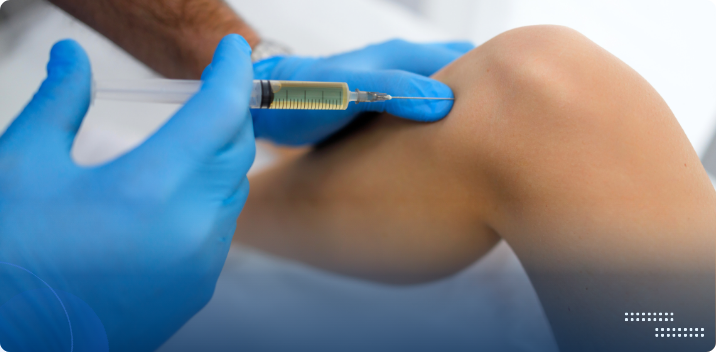
The process takes about 45 minutes at our New York office. We draw a small amount of your blood, spin it in a medical-grade centrifuge to concentrate the platelets, then inject the platelet-rich plasma directly into your knee joint using ultrasound guidance for precision.
PRP vs. Cortisone Shots for Knee Pain
Cortisone reduces inflammation temporarily but does nothing to heal damaged tissue. Most patients need repeat injections every three to six months. Research also shows that repeated cortisone shots may actually accelerate cartilage breakdown over time.
PRP works differently by promoting actual tissue repair. Results develop gradually over eight to twelve weeks but can last 12 to 24 months or longer.

Why Platelet Concentration Matters
Not all PRP is created equal. The key to effective treatment is achieving a platelet concentration of at least 1 million platelets per microliter in the final injectable. Your normal blood contains 150,000 to 400,000 platelets per microliter.
At Integra Health, we verify platelet counts under microscopy before every injection. Many clinics skip this step and assume their centrifuge produced adequate concentration. We measure because we know that weak PRP produces weak results.
The Recovery Timeline for New York Patients
You can walk immediately after your PRP injection. We recommend avoiding strenuous activity for 48 hours, which means no intensive workouts at the gym and no long walking tours of the city for the first two days.
Most New York patients notice initial improvement within two to three weeks. Peak results typically occur at the eight to twelve week mark.
Choosing a PRP Provider in New York
The quality of your PRP treatment depends heavily on provider experience and technique. Look for a clinic that uses ultrasound guidance for accurate needle placement, verifies platelet concentration before injection, and has treated hundreds of knee pain cases.
Integra Health provides personalized chiropractic care to the New York community. Unlike large hospital systems where you might see a different provider each visit, our approach means the same experienced medical team manages your care from consultation through follow-up.

Schedule Your Knee Pain Consultation
If knee pain is limiting your quality of life in New York, you owe it to yourself to explore whether PRP therapy is right for you. Unlike larger medical centers where appointment wait times can stretch for weeks, our location typically schedules new patient consultations within five to seven business days.
Call Integra Health today to take the first step toward reclaiming your active lifestyle.
Ready to take the next step?
Talk with the Integra Health team about a PRP Treatments plan built around your goals — in Hawthorne, NY.