
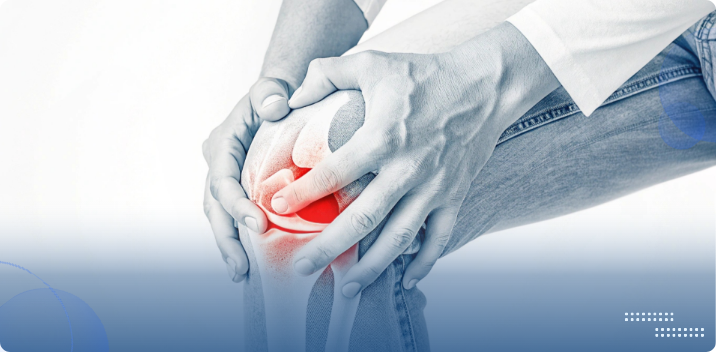
Busy days and knee pain do not mix. If you are researching deep tissue laser therapy in Hawthorne, NY , you are likely looking for a conservative option that helps with pain and inflammation without turning your life upside down.
Knee discomfort can change how you walk, train, commute, and even how you sit at your desk. Over time, the knee can feel constantly irritated, like it never fully settles. That is often the moment people start looking for care that supports healing while keeping their schedule realistic.
Many patients notice the first signs of progress in small, practical ways, like walking with less hesitation or feeling less tightness after sitting.
Why Knee Pain and Inflammation Can Become a Loop
Knee pain is not always about one damaged structure. It is often a cycle between irritated tissue, the nervous system, and movement changes.
When the knee is inflamed, local nerves send stronger danger signals to the brain. The sympathetic nervous system can stay more active, which raises muscle guarding and makes the area feel stiff or protective. That guarding changes how your knee tracks and loads. Then the joint gets less efficient, which can feed more irritation.
Inflammatory chemicals can also increase sensitivity in the area. Swelling limits range of motion, and reduced motion can mean reduced circulation. The result is a loop: irritation leads to less movement, and less movement can slow recovery.
A conservative plan should aim to calm the loop and restore better movement, not just chase symptoms.

The Science Behind Deep Tissue Laser Therapy for Knee Pain
Laser therapy is often grouped with other treatment tools, but its mechanism matters. Deep tissue laser therapy uses specific wavelengths of light that can penetrate into tissue and support cellular function. This is commonly described as photobiomodulation.
Here are the practical reasons this is important.
Cellular Energy and Tissue Repair
Cells need energy to repair. One proposed mechanism is that targeted light helps cells produce more usable energy, which may support tissue recovery. When cells have more energy available, they can better manage the work involved in repair and healing.
Most people notice progress in stages. The goal is to support steady improvement over time, especially when laser care is paired with the right movement plan.
Circulation, Oxygen, and Fluid Movement
Inflamed tissue can feel dense and tight, as if it is not moving the way it should. Supporting local circulation helps bring oxygen and nutrients into the area and helps clear out waste products that build up with irritation. This can be especially helpful for knees that flare after long workdays, travel, or higher step counts.
Patients often describe this as less heaviness and less tightness around the joint, especially after activity.
Pain Signaling and Nervous System Calm
Pain is not only about the tissue itself. It is also about how strongly the nervous system is signaling that something feels unsafe. When those signals stay high, your body often tightens up to protect the area, and movement becomes less smooth and more guarded.
Laser therapy is often used in care plans to help lower pain sensitivity and support a calmer response in the knee. As discomfort eases, many patients move with better control again, which can reduce strain during everyday tasks like walking, climbing stairs, and getting up from a chair.
What Patients Usually Notice First
Many patients notice early wins rather than a single dramatic change. The first improvements are often subtle, but they can make everyday movement feel easier and more predictable.
Less Warm-Up Time After Rest
A common early shift is needing less time to get moving after sitting or getting out of bed. The knee may feel less stiff, and the first few steps often become smoother.
Stairs Feel More Manageable
Stairs are a real test because they demand control, stability, and trust. Patients often pay attention to whether the knee feels less sharp on the first steps or whether they feel more confident loading the leg.
A Calmer Swelling Pattern
Some knees swell after long days, workouts, or time on your feet. A practical early win is noticing less puffiness later in the day or feeling like the knee settles faster after an active stretch.
More Comfortable Movement During the Workday
For many professionals, the best sign is fewer interruptions. Patients often describe:
-
Standing up from a chair with less hesitation.
-
Walking from the Hawthorne Metro-North area without feeling like every step is a reminder.
-
Turning or pivoting with less guarding during errands on Broadway.
These are small shifts, but they often signal that inflammation and sensitivity are easing.
Why This Matters for Hawthorne Schedules
Hawthorne is full of people who are moving between work, commuting routes, and family responsibilities. Care has to be effective, but it also has to be doable.
Integra Health is located at 153 Broadway, Suite 1, Hawthorne, NY, which is convenient if you are coming from nearby neighborhoods like Valhalla or Pleasantville. It can also fit well for patients who are already traveling through the Saw Mill River Parkway corridor or moving between local errands and appointments.
The real value is not just location. It is having a clinic that can look at your knee in context. In many cases, knee pain is tied to movement patterns, hip and ankle mobility, muscle imbalance, or training load. A thoughtful plan should address what is driving stress on the joint, not only the sore spot.
What to Expect at Integra Health
A good visit should feel organized, focused, and easy to follow.
Evaluation First, Then a Plan
Your provider will review your symptom timeline and what makes pain better or worse. They may look at how you walk, your range of motion, and how your knee responds to basic movements. This helps connect your symptoms to movement patterns and joint mechanics in a clear, evidence-informed way.
The Laser Session Experience
Deep laser sessions are typically straightforward and time-efficient. Many patients describe a gentle warming sensation during the visit, and appointments are often easy to fit into a workday.
At Integra Health, deep tissue laser therapy is commonly combined with other supportive services when needed, so your plan stays focused on both symptom relief and better movement.
Supporting Steps That Make Results Last
Laser therapy often works best when it is paired with clear movement guidance. That may include mobility work, stability exercises, or smart adjustments to training volume. The goal is not to add extra steps. It’s to choose what helps your knee handle daily life with less strain.

Conclusion
Knee pain can feel stubborn because it is rarely only one thing. It can be inflammation, sensitivity, and movement changes working together. Deep laser care may support cellular energy, circulation, and calmer pain signaling, which can help break the loop and make daily movement easier.
If you are considering deep tissue laser therapy in Hawthorne, NY , the next step is to get a focused evaluation and build a plan that fits your schedule. When you are ready, schedule an appointment with Integra Health to talk through your symptoms, your timeline, and the most practical way forward.
Ready to take the next step?
Talk with the Integra Health team about a Deep Tissue Laser Therapy plan built around your goals, in Hawthorne, NY.