
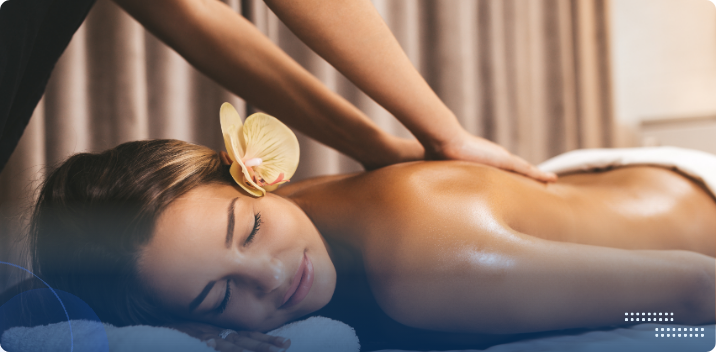
Finding effective massage therapy for back and neck pain is a top priority for anyone dealing with these common conditions. Whether you're experiencing acute discomfort or chronic pain, daily activities and poor posture can create tension in your muscles, ligaments, and joints, which can lead to persistent problems. At Integra Health, we know you want the best care possible for your pain relief, which is why we proudly serve families and individuals throughout New York. We'll walk you through how back and neck pain develops, what role massage therapy plays in recovery, and why working with our skilled massage therapists can be an essential part of a smart, holistic strategy.
Understanding Back and Neck Pain
Back and neck pain are exactly what they sound like: musculoskeletal conditions that occur when stress is applied to the spine, surrounding muscles, and supporting structures. These conditions most frequently happen to people who spend long hours sitting, working at computers, or engaging in activities that strain the upper and lower back. Back and neck pain may not seem serious at first, but they can lead to lingering discomfort if you ignore them.
Why Back and Neck Pain Happen
Your spine, muscles, and ligaments need proper support and regular movement to stay healthy. If you maintain poor posture, experience sudden injury, or develop muscle imbalances, you risk creating strain and tension that, over time, leads to pain that results in:
-
Chronic pain or deep aches
-
Stiffness and decreased range of motion
-
Muscle spasms and tenderness
-
Nagging sensations that do not resolve with quick rest
In fact, multiple studies have found that many people with chronic back and neck pain first sought out conservative methods like rest and regular icing, only to discover that without a dedicated plan to address the root cause, these problems persisted. If you allow back and neck pain to go unchecked, they can progress from mild discomfort to more concerning issues like herniated discs or nerve compression that might eventually require surgical intervention.

Common Causes of Back and Neck Pain
People often develop back and neck pain from repetitive movements like sitting at a desk, lifting heavy objects, or maintaining poor posture throughout the day. These habits frequently lead to conditions such as:
-
Muscle strains and ligament sprains
-
Cervical spine misalignment
-
Lower back stiffness and tension
-
Thoracic outlet syndrome
-
Facet joint dysfunction
Johns Hopkins Medicine notes that chronic pain is also a big concern for people who spend a lot of time in sedentary positions or engage in repetitive physical labor. For example, if you're working long hours at a computer, the constant forward head posture and rounded shoulders might increase the risk of developing muscle imbalances that worsen over time.
Confirming the Diagnosis
When you suspect back or neck pain, visiting a healthcare professional is a smart first step. Diagnosis usually involves:
-
Medical history review: Going over previous injuries, daily activities, and pain patterns.
-
Physical examination: Hands-on assessment that involves moving the affected areas to pinpoint pain and identify muscle tightness or restricted movement.
-
Imaging tests: X-rays and MRIs may confirm disc problems or structural issues not typically visible during a standard exam.
Early identification means you are already on the right track toward healing.
Explore Treatment Options
Back and neck pain treatment options almost always include rest, rehabilitation, and gradual return to normal activity. Despite how eager you may be to get back to your routine, a carefully paced recovery plan helps ensure you fix the root issue and prevent recurring pain. Thankfully, there are many strategies available to help you manage and eventually overcome these conditions, and massage therapy stands out as one of the most effective approaches for soft tissue recovery.
R.I.C.E. Approach
The first line of defense is often R.I.C.E.: rest, ice, compression, and elevation. According to Boston Children's Hospital, rest is the most critical part of recovery. You might need to restrict or modify any activity that strains the injured area.
-
Rest: Give the affected area a break, potentially avoiding activities that aggravate pain.
-
Ice: Apply ice packs to reduce swelling and pain.
-
Compression: Use supportive wraps or braces to provide stability.
-
Elevation: When possible, position yourself to reduce pressure on the spine.
Massage Therapy for Back and Neck Pain
Massage therapy is a highly effective treatment for people dealing with back and neck pain. When muscles, tendons, and fascia are tightened from poor posture, stress, or injury, they develop tension, adhesions, and trigger points that restrict normal movement and cause pain. At Integra Health, our skilled massage therapists use targeted techniques to address these issues directly.
Therapeutic massage offers several key benefits for back and neck pain:
-
Reduces muscle tension and releases tight fascia that contributes to pain
-
Increases blood flow to affected tissues, accelerating natural healing
-
Breaks down scar tissue and adhesions that limit range of motion
-
Decreases inflammation in overworked muscles and ligaments
-
Promotes lymphatic drainage to reduce swelling
According to research, massage therapy can significantly improve recovery times for conditions like muscle strains, cervical tension, and lower back stiffness by addressing the soft tissue damage that occurs with daily stress. If you struggle with persistent muscle soreness or limited flexibility due to back or neck pain, regular massage sessions can make a substantial difference in your recovery.
Specialized Therapeutic Massage Techniques
At Integra Health, we offer specialized therapeutic massage designed specifically for back and neck pain relief. Unlike general relaxation massage, our therapeutic massage uses targeted techniques to:
-
Address specific problem areas related to your pain
-
Release tight muscle groups that contribute to poor posture
-
Improve tissue flexibility and spinal range of motion
-
Prevent compensation patterns that can lead to secondary pain
-
Support faster recovery and long-term pain management
Our therapists work closely with you to identify which muscle groups are most affected by your condition. For example, someone with chronic neck pain might need focused work on the upper trapezius and levator scapulae muscles, while someone with lower back pain might benefit most from treatment of the erector spinae, quadratus lumborum, and hip flexors.
How Massage Therapy Complements Other Treatments
Massage therapy works exceptionally well as part of a comprehensive treatment plan. While you may also benefit from chiropractic care, physical therapy, or other interventions, massage therapy specifically targets the soft tissue component of back and neck pain. This hands-on approach:
-
Prepares muscles and tendons for strengthening exercises
-
Enhances the effectiveness of stretching routines
-
Maintains tissue health during periods of modified activity
-
Identifies areas of tension before they develop into chronic problems
-
Supports the body's natural healing processes
If you are dealing with stubborn back or neck pain, incorporating regular massage therapy sessions can offer both immediate relief and long-term prevention strategies. Our therapists track progress over time and adjust techniques based on how you respond to treatment.
Designer Note, Quote: Massage therapy is a highly effective treatment for people dealing with back and neck pain. When muscles, tendons, and fascia are tightened from poor posture or stress, therapeutic massage increases blood flow to affected tissues and breaks down scar tissue that limits range of motion.
Build Balanced Daily Habits
One of the main reasons back and neck pain occur is because people maintain the same posture or movement patterns throughout the day with no variation. Incorporating movement breaks and ergonomic adjustments is a powerful tool. This means mixing your daily activities so that you're not sitting for hours at a time, taking regular stretching breaks, and ensuring your workspace supports proper posture. Johns Hopkins Medicine recommends varying positions and activities throughout the day to minimize overloading the same muscle groups.
Pay attention to subtle signs like increased fatigue, stiffness after sitting, or mild pain that worsens with continued activity. Early, proactive adjustments in your daily habits can prevent that pain from becoming a bigger setback. Regular massage therapy sessions can help identify these warning signs early by revealing areas of excessive tension before they develop into chronic conditions.

Remember Essential Recovery
Recovery does not just mean lying on the couch, it instead involves a process known as active rest. Massage therapy fits perfectly into this recovery strategy by promoting circulation, reducing muscle soreness, and maintaining tissue flexibility during healing. At Integra Health, we combine massage therapy with other recovery modalities to optimize your pain relief.
Other important recovery elements include:
-
Sleep: Consistent, restful sleep helps the body recover more efficiently.
-
Hydration: Drinking plenty of water supports normal tissue function and helps flush metabolic waste from muscles.
-
Nutrition: A balanced diet rich in anti-inflammatory foods promotes tissue repair and reduces pain.
-
Gentle movement: Light activities like walking or yoga maintain circulation without stressing affected tissues.
After experiencing back or neck pain, you will usually follow a phased return to normal activities that is customized based on your type of condition and healing progress. Regular massage therapy throughout these phases helps maintain tissue health, prevents compensation patterns, and supports optimal movement quality as activity levels increase.
By combining balanced daily habits, adequate recovery, and professional massage therapy, you can significantly reduce the likelihood of recurring pain. If you are looking for specialized care for your back or neck pain, consider massage therapy at Integra Health. This route can optimize your path to relief while helping you stay healthy and pain-free.
Ready to take the next step?
Talk with the Integra Health team about a Massage Therapy plan built around your goals, in Hawthorne, NY.